

A security inspection system solution is an integrated screening setup that uses advanced detection devices to identify prohibited and dangerous items at critical entry and exit points in a facility. It combines people, baggage, and vehicle screening to create a layered security environment that reduces risk and strengthens access control.
A security inspection system is a coordinated security platform that screens individuals, luggage, and vehicles before they enter a protected area. It relies on technologies such as electromagnetic detection, X-ray imaging, and visual scanning to detect weapons, explosives, contraband, and other restricted materials without physical contact.
By integrating multiple inspection devices into one unified solution, organizations can maintain strict access control while allowing orderly and efficient movement of people and vehicles.
The process begins when people or vehicles approach a secure perimeter or building entrance. Individuals typically pass through walk-through metal detectors first and, if required, are checked further with hand-held detectors for more precise inspection.
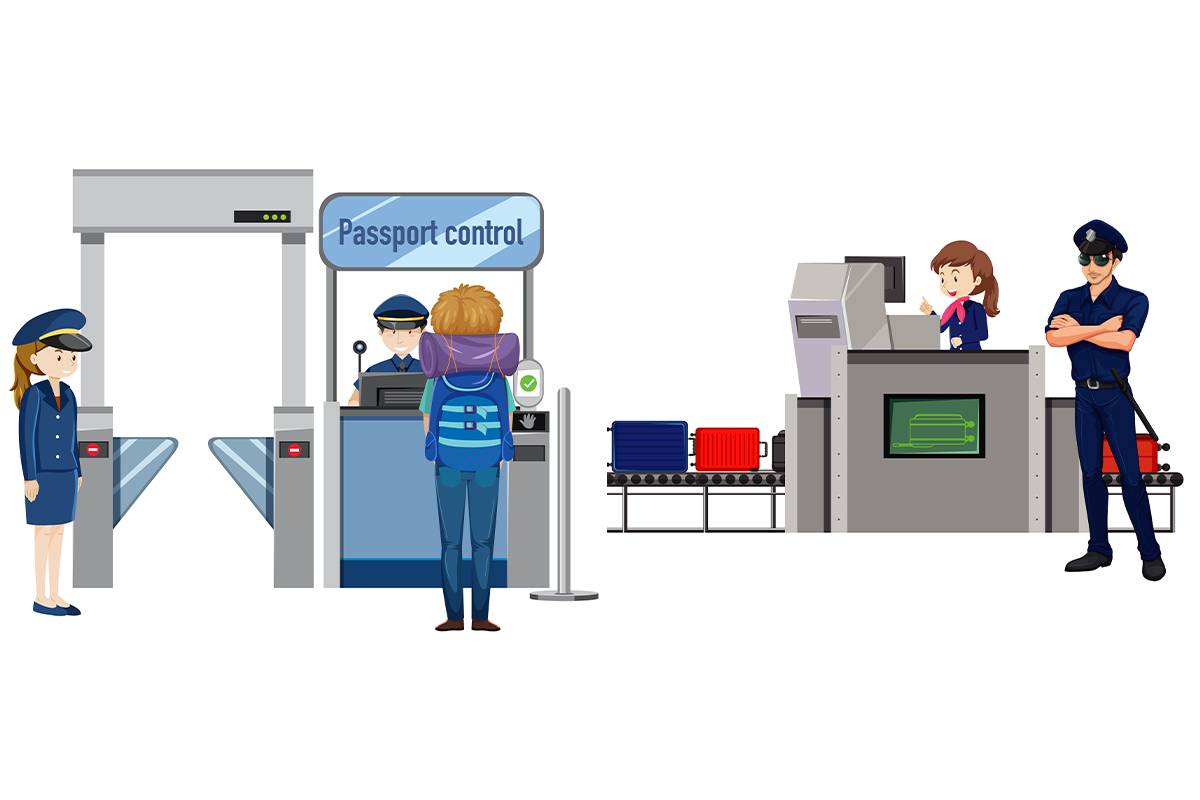
All baggage and personal belongings are routed through X-ray scanners, where operators review the images to identify any concealed or suspicious items. Vehicles are simultaneously screened using vehicle and under-vehicle scanning systems to ensure no dangerous materials are hidden beneath or within the vehicle structure.
Each stage of inspection works in sequence and in coordination to provide thorough screening while minimizing delays for legitimate visitors.
Security inspection systems are commonly deployed in airports, seaports, and transport hubs where large volumes of passengers and cargo must be screened. They are also widely used in government and military facilities, embassies, courts, prisons, banks, and financial institutions.
In addition, these solutions protect stadiums and event venues, industrial plants, data centers, corporate headquarters, power plants, metro and rail stations, border checkpoints, and other sensitive infrastructure where risk reduction is critical.
Security inspection solutions improve safety by preventing weapons, explosives, and other dangerous items from entering restricted zones. They reduce dependence on manual checks, lower human error, and increase the consistency and accuracy of inspections.
These systems support fast, organized screening that maintains a professional image and controlled access environment, while remaining scalable so more lanes, devices, or locations can be added as security needs grow.
Modern inspection infrastructures can also be integrated with AI-assisted image analysis, central monitoring platforms, access control, CCTV, and alarm systems, helping organizations build a robust, future-ready security framework prepared for evolving threats.